When I was eleven, I calculated my family’s finances, analyzed where cuts could be made, and presented my parents with a budget. They were unimpressed with my findings—that we could be a little more financially secure without alcohol or cigarettes. With a history in finance such as that, one would think I make financially sound decisions in adulthood. And one would be wrong.
Something that didn’t occur to me at eleven years old—
Knowing how to prepare a budget and knowing how to carry one out are two, massively, different things.
When you’re stuck in survival mode and come from a scarcity mindset, financial literacy and budgeting probably aren’t at the forefront of your mind. Or maybe they are. As with anything, the extremes can go both ways. You may struggle to manage your money, or you may exert rigid control—never allowing yourself to indulge and avoiding necessary purchases.
How do we handle finances after trauma? And are the decisions we make with our money aligned with our present reality?
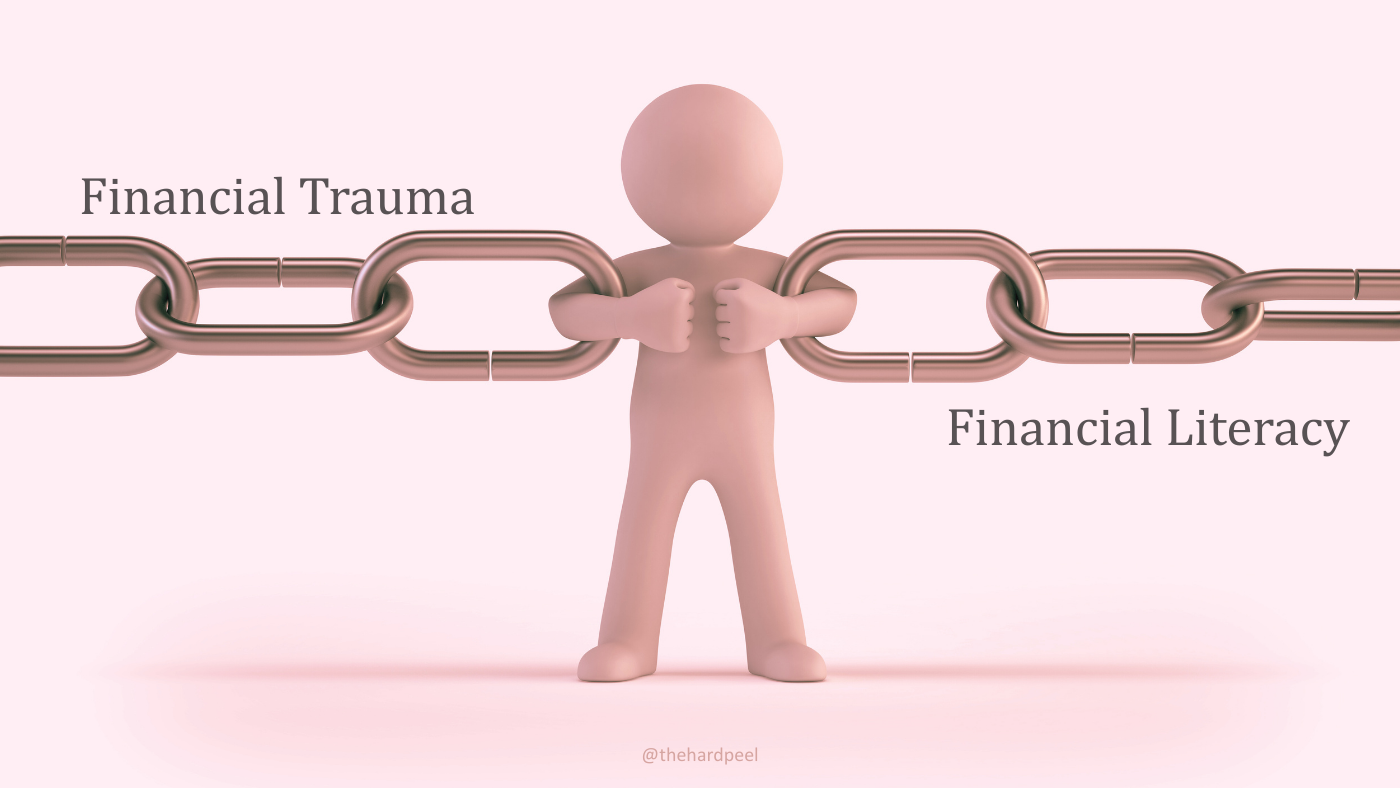
Financial trauma is a term used to describe the psychological and emotional distress that results from negative, often repeated, financial experiences. These experiences can include financial abuse, poverty, debt, or a chaotic money environment in childhood.
The effects of financial trauma often extend beyond a person’s bank account, impacting their self-worth, relationships, and ability to make rational financial decisions.
Can you recover from financial abuse?
Yes, recovery is absolutely possible. The journey involves both practical steps like gaining financial independence and emotional healing to rebuild your sense of self-worth and trust. Seeking support from a trauma-informed financial coach or therapist can provide a safe space to process these experiences and create a personalized plan for recovery.
The Link Between Financial Trauma and Financial Literacy
My early budgeting skills weren’t born from empowerment, they were born from necessity. And like many of us who grew up in survival mode, my financial literacy was shaped more by chaos than clarity.
Before we ever learn to budget, save, or invest, we absorb financial behaviors from the people around us. Think about how your parents or caretakers managed money. Was it a major stressor? Were you expected to contribute to the household as a child? Did you grow up in poverty, with debt collectors knocking and bills going unpaid?
These experiences don’t just shape how we feel, they shape how we spend. Adverse Childhood Experiences (ACEs)—like neglect, abuse, and household dysfunction—don’t just affect emotional development. They shape how we approach money, risk, and long-term planning.
ACEs Leave Us At Higher Risk
Studies show that individuals with high ACE scores are significantly more likely to experience financial instability, regardless of income level [1][2]. For many, the challenges of financial trauma begin in childhood with patterns like:
Financial abuse: You earn money, but it’s never really yours. Your autonomy is erased before it even begins.
Scarcity: You learn to stretch everything—food, clothes, medications. Budgeting becomes a game of survival, not strategy.
Domestic violence: Money becomes a weapon. Arguments erupt over spending and you learn to fear financial conversations.
Shame: You internalize the idea that poverty equals failure. Even as an adult, you feel guilty for needing help.
Guilt-Driven Spending
Guilt-driven spending is one of the most confusing loops to untangle. It often looks generous on the outside—over-gifting, over-tipping, over-buying for others—but underneath, it’s a nervous system trying to earn safety.
We spend to soothe, to apologize, to prove we’re good, worthy, or not a burden. Sometimes we spend because we feel guilty for having anything at all. For me, guilt shows up as tipping 50-100% to be a “good customer,” feeling bad for saying no, or trying to “make up” for emotional absence with material presence.
When guilt is driving, long-term planning feels impossible. The future becomes a blurry threat instead of a grounded possibility. We avoid budgeting because it feels like punishment. We resist saving because we don’t believe we’ll be around to enjoy it. We sabotage stability because chaos feels more familiar than calm.
A Gentle Reminder
Avoidance isn’t laziness, it’s protection. And guilt isn’t morality, it’s an echo of the trauma we experienced.
When we begin to understand our financial behaviors as emotional survival strategies, we stop shaming ourselves and start reclaiming choice. We start asking:
What am I trying to feel by spending this?
What am I afraid will happen if I plan ahead?
What does safety with money actually look like for me?
This is where healing begins, not with perfect budgets and spreadsheets, but with honest reflection. Before we learn new financial skills, we have to unlearn the ones trauma taught us. If you’re ready to dive deeper, check out my article, Financial Abuse: Rebuilding Your Finances After Abusive Relationships .
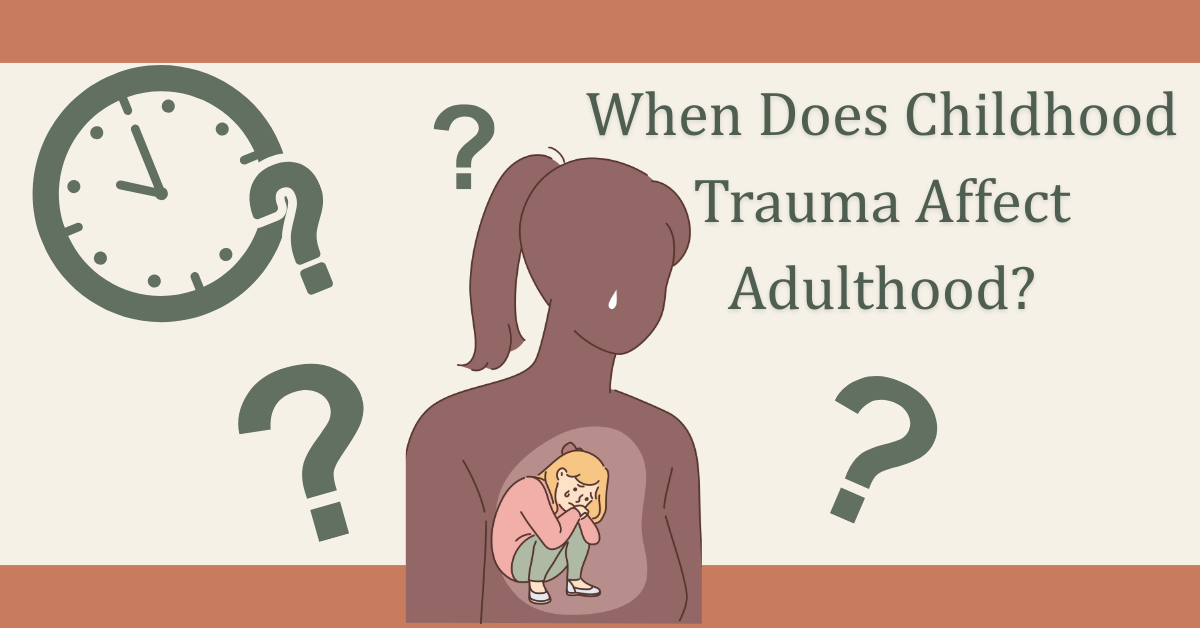
In my experience? Every day. It’s remarkable how the human brain adapts to survive, especially when faced with childhood trauma. But sometimes, the very survival skills we develop as children can become invisible barriers in our adult lives. I wake up feeling exhausted after fighting for my life in my dreams all night. I can’t find anything to wear that matches my perfectionism, and a voice echoes, “Are you f*cking stupid?”. Then I get a text from my boss-
‘Do you have a second for a call?’
Oh God, my heart races and my face flushes. I’m going to be fired. What did I do wrong? Where did I mess up? What’s my excuse? I skip lunch because the act of choosing a meal is too much. It’s loaded with guilt, indecision, and the fear of getting it wrong.
When my partner works late, my mind gets creative. It considers worst-case scenarios and seeks evidence to back the claims. I’ll obsessively review past conversations and behaviors to confirm my suspicions. By the time they arrive home, I’ve built up a resentment based on inaccuracies and fear.
Signs of childhood trauma can be subtle or down right crude. And if you grew up in a dysfunctional home, you’re probably feeling the effects right now. We struggle in our relationships, work, finances, and beyond. Childhood abuse and neglect disrupts normal development and learning in many areas, making adulthood seem harder than it should be. We’ll explore some of these below.
Psych2go-Additional Signs of Childhood Trauma in Adulthood
How Childhood Trauma Affects Relationships
From trust issues and a lack of boundaries, we’re often destined to have difficulty creating and maintaining healthy relationships. In my early adulthood, this looked like co-dependency, jealousy, people-pleasing, and over-functioning. I would say yes when I meant no because I was afraid of being abandoned. I would over-extend myself because in childhood I learned love is performance based. Because I lacked boundaries and had no understanding of my own values, I found myself in many chaotic situations.
Chaotic or Unfulfilling Relationships
Many people from traumatic childhoods find it difficult to trust in relationships. Past betrayal and abandonment can have us on high alert. Coincidentally, we can choose a partner that triggers this wound within us or confirms our suspicions. And because we feel comfortable in chaos, we will mistake that excitement for love. Inhibited emotional regulation can worsen issues within the relationship when difficult discussions end with intense reactions. Furthermore, this lack of control can lead to issues in basic communication. A crucial part of relationships.
People-Pleasing and Over-functioning
In childhood, we often found ourselves caring for those around us. Our needs were pushed aside, and focus shifted to fixing the problems of our dysfunctional household. We received praise when we performed well, and subsequently learned to associate performance with having our needs met. Instead of verbally expressing our needs, we over-function in our relationships. We act, not out of kindness or love, but out of survival. We’re afraid if we don’t perform or agree, we’ll be abandoned.
Setting & Maintaining Boundaries
We struggle with setting and maintaining boundaries because we were never taught what they were. Our physical, intellectual, and emotional boundaries were crossed nearly daily. We were taught that our needs were secondary, inconvenient, or even dangerous. Saying “no” was sometimes met with punishment, guilt, or emotional withdrawal. This reinforced our idea that self-protection meant rejection.
These early experiences taught us that love had to be earned through compliance, that asserting independence was considered rebellion, and that prioritizing ourselves was selfish. As adults, we feel guilt, anxiety, and fear when trying to set limits. We do this in an attempt to avoid the consequences we once faced for simply being ourselves.
Become a Peeler!
Join our community and sign up for our newsletter for deeper connection.
Intense emotional shifts can feel overwhelming. One moment, you’re on top of the world; the next, you’re deep in your own personal hell. Feelings like shame, guilt, fear, anger, and sadness can completely take over. When those heavy feelings finally lift, there’s often a rush of euphoria, a natural response after feeling so low for so long. Early in my adulthood, lost in despair, I often looked at my life and wondered why I couldn’t shake the sadness and irritability. I described it as being on a roller coaster, highs filled with anxiety, and lows that took my breath away or made me want to give up entirely. I later realized the deep, ongoing sadness I was experiencing had less to do with what was happening around me and much more to do with what was happening inside.
Chronic Guilt and Shame
Childhood trauma leaves a chronic sense of guilt and shame. For many adults, this feeling isn’t loud. But beneath daily decisions, it quietly influences how you speak, love, and care for yourself. It looks like over-apologizing for things that weren’t your fault. It’s agonizing over simple choices, like what to eat for lunch. It’s feeling undeserving of rest unless you’ve “earned” it through productivity. Shame might show up as isolation, perfectionism, or even the inability to ask for help without guilt. These patterns often feel invisible from the outside, but internally they create a constant loop of self questioning. Where every need is scrutinized and every emotion feels like a burden.
Fear of Conflict
Childhood trauma can instill a deep, silent fear of conflict that profoundly impacts adult relationships. For many, this isn’t about running from big arguments; it’s a subtle urge to avoid even the slightest disagreement. It shapes how you talk, express your needs, and react when things get tough. This looks like always saying yes, even when you mean no, just to keep the peace. It’s walking on eggshells, carefully picking words to avoid upsetting anyone, even when simply sharing an idea.
There’s a surge of panic facing even minor disagreements, leading you to completely shut down or give in immediately. This fear can show up as always trying to please others, being overly passive, or finding it impossible to set healthy limits without feeling intense worry. These patterns often create a seemingly calm life on the outside, but inside, they lead to resentment, unmet needs, and a constant stifling of your true self.
Emotional Instability
You spend days in bed consumed by depression, then you’re excited by a new project or plan. The shifts are so drastic you question your sanity at times. This dramatic roller coaster of emotion, which can include overwhelming feelings of shame, guilt, fear, anger, and sadness, sometimes leads to a misdiagnosis of mood disorders like borderline personality disorder or bipolar disorder. When emotions feel out of control, you can find yourself acting impulsively or compulsively. Overspending or turning to substance use is a common way of seeking relief. Adults who experienced childhood trauma often sway between these heightened reactions and emotional numbness. They can even unconsciously sabotage their relationships, unable to manage the intensity of genuine connection.
Anger & Aggression
If you find yourself getting angry very quickly, or feeling like your anger comes out of nowhere, you’re not alone. Unexplained anger can be a sign of deeper feelings, like anxiety or sadness, rooted in childhood experiences. Adverse Childhood Experiences (ACEs) can make a person much more likely to react with anger as an adult. These tough early experiences essentially train your brain to be on high alert all the time. This makes it much harder for your brain to calmly manage strong feelings, leading to more sudden and intense angry outbursts, even over small things.
According to a study by UCLA, individuals from childhood trauma are at increased risk for developing 20 major health disorders.
Childhood trauma leaves a mark not just on the mind, but profoundly on the body itself. These early experiences can lead to toxic stress, a prolonged and overwhelming activation of your nervous system that keeps your body stuck in a constant state of ‘fight or flight.’ This often results in hypervigilance, where you’re always on edge, scanning for danger even when none is present. Such chronic stress takes a heavy toll, significantly increasing the risk for various physical conditions, including autoimmune diseases and other chronic illnesses. In addition, many who’ve experienced trauma learn to disconnect from their bodily needs and sensations, making it incredibly difficult to recognize their own hunger, fatigue, pain, or illness until it becomes severe.
Toxic Stress
While some stress can actually be helpful or manageable, toxic stress is different and much more damaging. It forms when a child experiences strong, frequent, or long-lasting adversity, like the Adverse Childhood Experiences we’ve discussed, without the support of a caring adult to help them cope. When a child’s body is repeatedly flooded with stress hormones due to this overwhelming pressure, their developing brain and body systems are constantly on high alert. Over time, this can actually change the way their brain develops, affecting their ability to learn, manage emotions, and form healthy connections. It also wears down their immune system and other vital body systems, leading to a higher risk of many of the serious physical and mental health problems seen well into adulthood.
Autoimmune & Chronic Disease
Childhood trauma significantly impacts physical well-being as well. Trauma raises the risk for autoimmune diseases and chronic illnesses in adulthood. According to the NIH The constant state of toxic stress from adverse childhood experiences can lead to persistent inflammation and dysregulation of the body’s immune system. This means the body, already on high alert, can mistakenly begin attacking its own healthy tissues.
Research consistently shows a strong link between ACEs and a heightened risk for various conditions. For instance, individuals with four or more ACEs are more likely to develop heart disease, cancer, diabetes, chronic lung disease, and liver disease. Studies have also indicated increased prevalence of conditions like rheumatoid arthritis, lupus, fibromyalgia, and chronic fatigue syndrome among those with higher ACE scores. The Centers for Disease Control and Prevention (CDC) provides extensive research on these connections, highlighting how preventing ACEs could significantly reduce the incidence of many leading causes of death. Early adversity doesn’t just shape our stories, it leaves a mark on our biology, it reminds us that the body remembers what the mind tries to forget.
Disconnection from Bodily Needs/Sensations
When a child experiences chronic stress or abuse, their nervous system can learn to “tune out” distressing physical feelings as a coping mechanism. Childhood trauma can profoundly impact an individual’s connection to their own body, leading to a disconnection from bodily needs and sensations. This can manifest in adulthood as a surprising lack of awareness about basic bodily signals. You might consistently ignore hunger cues, push past extreme fatigue, or not notice pain until it becomes debilitating. This detachment means you can miss early signs of illness. You can struggle to identify emotional feelings as they manifest physically, or find it difficult to relax and truly feel “at home” in your own skin. This can ultimately impact self-care and overall well-being.
Problems with Focus and Attention
Struggles with attention and focus are another common challenge for adults impacted by early adversity. This isn’t just about simple absentmindedness; this affects daily life, leading to problems in careers, managing finances, and even consistent self-care. The chronic stress carried from past trauma can interfere with the brain’s processes for clear thinking and concentration. This ongoing struggle with focus can also create deep self-doubt. This further erodes confidence and makes it incredibly difficult to concentrate on and work towards future goals.
When you’ve experienced childhood trauma, your brain and body develop remarkable ways to survive. These learned survival tactics often become deeply ingrained coping behaviors in adulthood, even if you’re not fully aware of their origins. They can show up as a constant need to control your surroundings, a tendency to retreat when things get tough, or an intense pull to disappear in activities, like playing video games or overeating. These actions, once protective in a difficult past, can unintentionally become rigid patterns that keep you from true peace and connection. In the following sections, we’ll explore some common ways these coping mechanisms appear in daily life, including overworking, escapism, and perfectionism.
Overworking
Adults from childhood trauma often find themselves overworking as a way to cope with their discomforts. You can find yourself constantly busy, taking on too many tasks, or feeling an intense guilt whenever you’re not productive. For many, this isn’t just about ambition; it becomes a powerful way to avoid uncomfortable feelings, gain a sense of control, or prove their worth. You might unconsciously believe your value is tied solely to your achievements, or that staying constantly occupied will prevent painful memories and emotions from surfacing. This type of relentless striving, however, can leave you exhausted, isolated, and still yearning for the internal peace you’re trying so hard to outrun.
Escapism
Escapism often becomes a powerful coping mechanism for adults living with the effects of childhood trauma. The profound stress from these early experiences can actually alter brain development, making an individual more susceptible to addictive behaviors. You might find yourself constantly seeking out substances, doom scrolling, or binge eating. We cling to compulsive activities, or other diversions to quiet the intense discomfort that comes from feeling disconnected or to numb our emotions. Many trauma survivors turn to these forms of self medication as a way to find temporary relief. Relief from the overwhelming anxiety, depression, and self-doubt, or simply to block out painful memories.
Perfectionism
Perfectionism is another common, often exhausting, coping mechanism developed in response to childhood trauma. You might feel an intense pressure to be flawless, believing that any mistake will lead to severe negative consequences, just as it might have in your past. This isn’t about healthy ambition; it’s a deep-seated need to control outcomes and avoid criticism or rejection. It stems from environments where mistakes were punished or love felt conditional. You might spend excessive amounts of time on tasks, endlessly revise your work, or postpone starting anything new for fear it won’t be perfect. Unfortunately, this leads to constant anxiety and burnout.
Final Thoughts
The pathways we carve in childhood often shape the routes we travel as adults. Childhood trauma affects more than we frequently realize. And while these patterns were once essential to surviving, they aren’t always suited for thriving. Recognizing them isn’t a betrayal of who we were, it’s an act of care toward who we’re becoming.
If parts of this resonated with you, I invite you to sit with that feeling. Be gentle with your own unfolding. Healing isn’t a straight line, and it rarely feels like a destination. But even the act of noticing can be a new beginning.
For those exploring this path, here are a few resources that may help: