Part three of a four-part series. Explore more below.
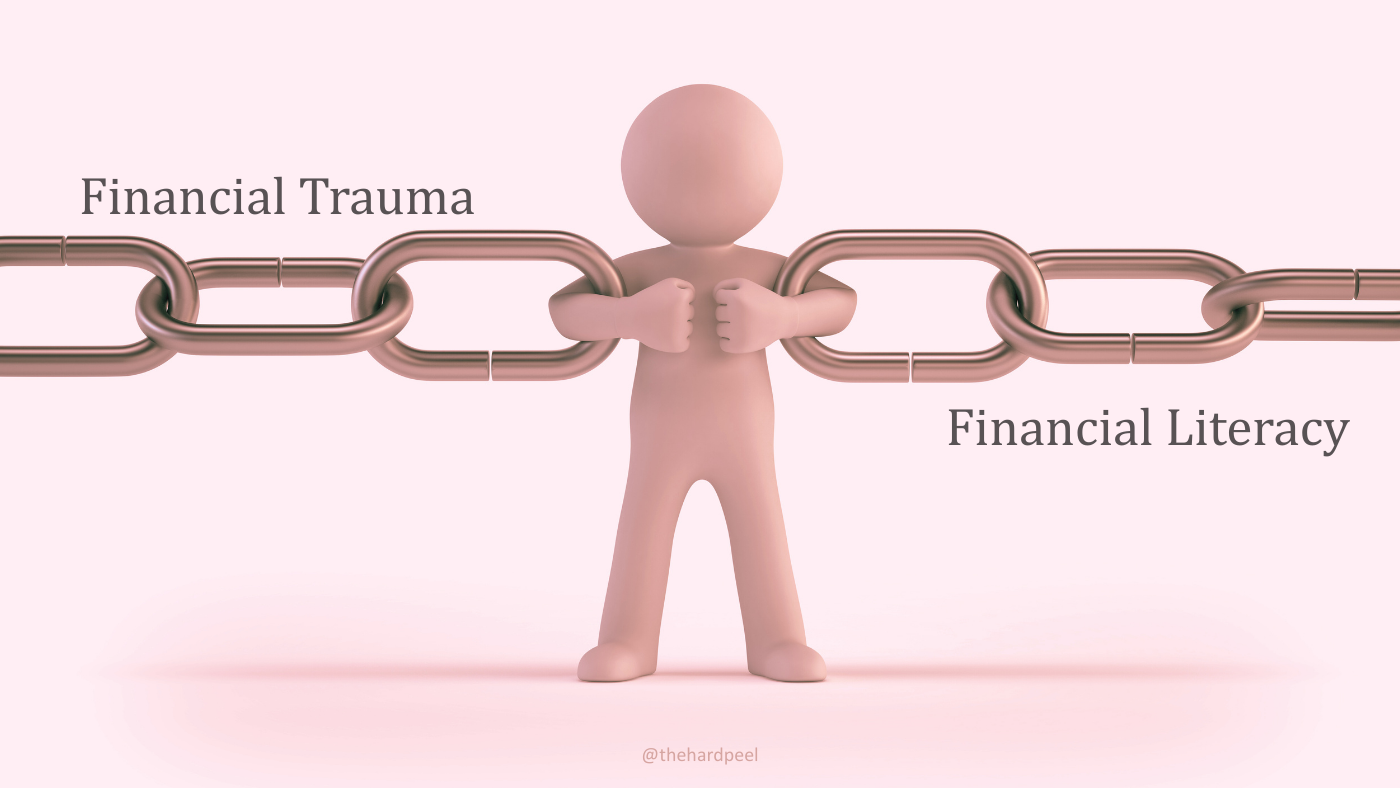
Financial healing means reclaiming your autonomy and trust, and building confidence with money and spending. When you understand where your spending behaviors come from—whether it be childhood, adult relationships, or capitalist consumerism—you unlock the freedom to change them.
Because shame played such a large role in my relationship with money, I’m learning to reframe my opinions on spending and earning. I’m learning it’s okay to spend money on items that enrich my life, and to stop spending from a scarcity mindset. No one needs 32 bath towels, Ash. 😅
But trauma-informed financial literacy isn’t just about numbers and spending habits—it’s about nervous systems. It’s about building safety and trust with money in emotionally paced, shame-free environments.

See my post, Beginning to Heal Financial Trauma, to learn more about the causes of financial trauma.
Budgeting and saving can seem like punishment, especially if you’ve only ever done it in survival mode. But it can actually be a form of self-care and empowerment. It helps us reclaim our autonomy, exhibit control in ways that feel nourishing, and reduce stress.
How I’m Actively Healing My Relationship With Money—
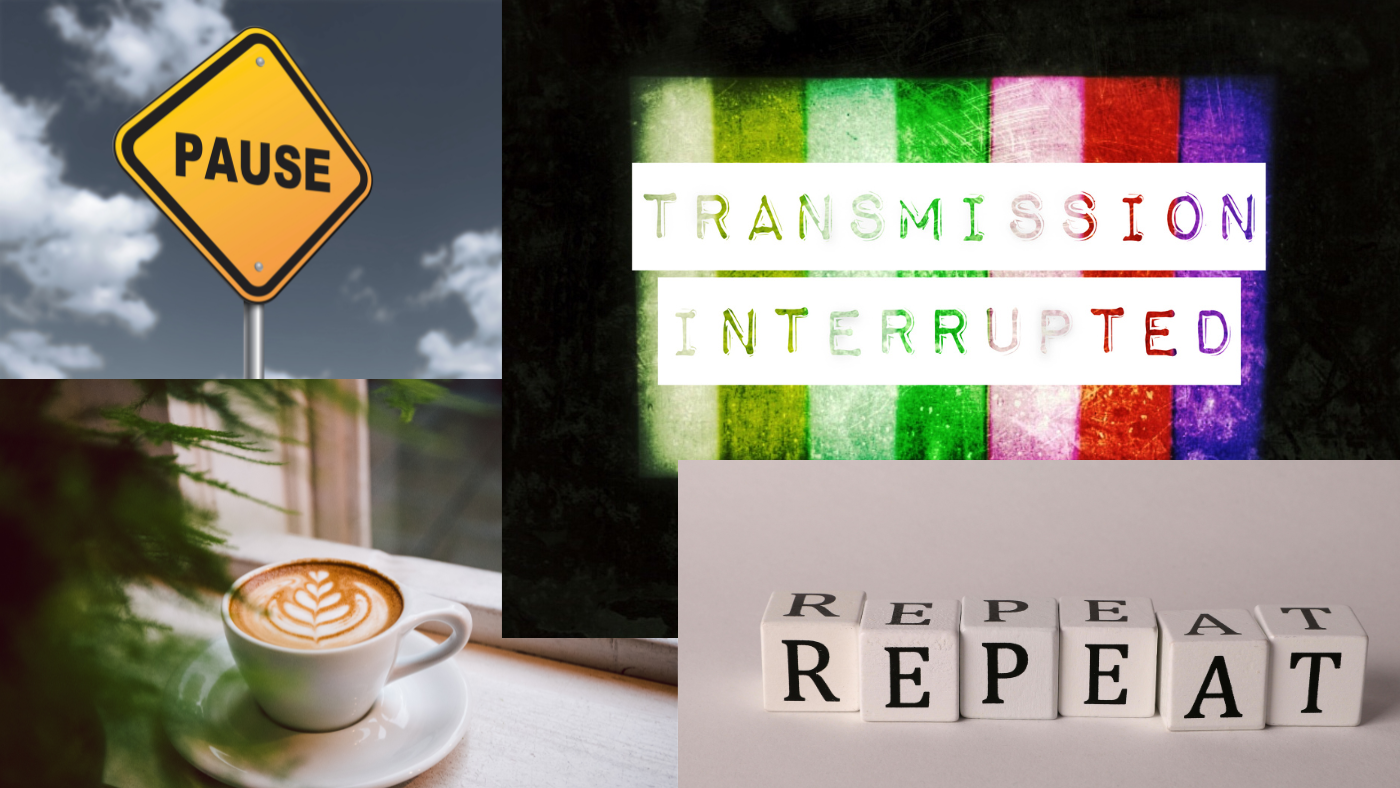
Pausing Before Purchasing
I ask myself: Is this a need, investment, or treat? Am I trying to soothe an uncomfortable emotion with retail therapy? Am I in it for the long-term benefit or the dopamine hit?
Interrupting Incessant Worrying
The spiral sounds like: “What if we run out of money? What if we lose our job and can’t afford to live? What if I don’t have enough?”
I interrupt it with: “What if we don’t? What if we don’t lose our job? What if we do have enough? Are we open to that?”
This isn’t toxic positivity, it’s nervous system regulation. It’s practicing emotional neutrality in the face of financial fear.

Buying Myself the Damn Coffee
If $5.62 a day breaks me, so be it. I deserve to enjoy the smallest comforts without guilt. I will soak up every vanilla sweet cream cold brew I can until I can’t anymore. Because joy is not irresponsible. Pleasure is not betrayal. And comfort is not a luxury to me—it’s a requirement.
Repetition
Healing takes practice. I still catch myself hoarding, over-tipping, or panicking over small purchases. But now I pause. I reflect. I reframe and I redirect.
I’m done surviving scarcity. I’m learning to create abundance; with integrity, with authenticity, and with a nervous system that feels safe enough to receive it.

Budgeting is Self-Care
Ultimately, financial healing is an act of courageous self-care—it’s a commitment to moving from a state of scarcity and shame to one of safety and abundance. The real work isn’t just balancing a ledger; it’s regulating your nervous system so that you can approach your money with clarity, trust, and autonomy.
Ready to take these principles and apply them in a way that feels supportive, not stressful? My next post, Practical Financial Tips for Trauma Survivors: Budgeting as Self-Care, includes free, downloadable PDF worksheets designed to help you organize your finances from a place of emotional safety. Click here to download your templates and begin building a budget that truly empowers you.
As always,
Be gentle. Go slow. Peel better.